
How Do Lithium Forklift Batteries Enhance Workplace Productivity?
72V batteries are high-voltage energy storage systems with a nominal voltage of 72 volts, optimized for electric vehicles (EVs) requiring sustained power and extended range. They utilize lithium-ion chemistries like LiFePO4 or NMC for higher energy density and thermal stability, making them ideal for golf carts, e-scooters, and heavy-duty EVs. Charging typically follows a CC-CV protocol with termination at 84V (for LiFePO4) to maximize cycle life.
48V 420Ah Lithium Forklift Battery
What defines a 72V battery system?
A 72V battery system operates at a nominal 72 volts, using lithium-ion cells (LiFePO4/NMC) in 22S or 24S configurations. Key features include 80–150Ah capacity ranges, 7–10kWh energy storage, and peak discharge rates up to 5C. These systems prioritize thermal management and BMS integration to prevent voltage sag during high-load operations in EVs.
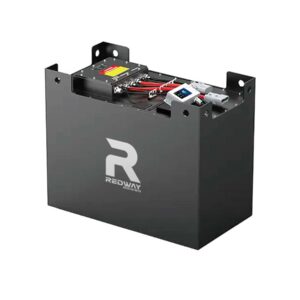
Technically, 72V LiFePO4 packs use 24 cells in series (3.2V per cell), achieving 76.8V nominal. Pro Tip: Balance cells monthly—voltage deviations >50mV reduce lifespan. For example, a 72V 120Ah pack powers mid-sized e-scooters for 100–130 km per charge. Transitionally, higher voltage reduces current draw, minimizing heat buildup. But what happens if thermal sensors fail? Overheating can degrade anodes, cutting capacity by 30% in 100 cycles. Always install temperature cutoff switches.
Why choose 72V over 48V for EVs?
72V systems outperform 48V in power density and efficiency, reducing copper losses by 43% at equal power. They support higher RPM motors (e.g., 3000 vs. 2000 RPM) and sustain torque under heavy loads. Applications like electric trucks benefit from 72V’s 20% longer range versus 48V with similar Ah ratings.
Practically speaking, 72V’s reduced current lowers wire gauge requirements—6 AWG instead of 4 AWG for 10kW systems. Pro Tip: Pair with 72V-rated controllers; undersized units risk MOSFET burnout. For instance, a 72V 200Ah NMC battery delivers 14.4kWh, powering delivery vans for 180–220 km. However, why isn’t 72V universal? Charging infrastructure costs 25% more than 48V, limiting adoption in budget EVs. Transitionally, regen braking recovers 12–15% energy in stop-and-go traffic, enhancing practicality.
| Parameter | 72V System | 48V System |
|---|---|---|
| Peak Power | 15kW | 10kW |
| Range (100Ah) | 110 km | 85 km |
| Charging Time | 4–5h | 3–4h |
How to safely charge 72V batteries?
72V charging requires CC-CV chargers with ±1% voltage precision. LiFePO4 charges to 84V (3.65V/cell), while NMC reaches 88.8V (4.2V/cell). Use certified chargers matching BMS protocols—generic units risk overvoltage, triggering safety lockouts.
Technically, Stage 1 charges at 0.5C (e.g., 60A for 120Ah) until 80% SOC, then tapers to 0.1C. Pro Tip: Avoid charging below 0°C—Li plating risks permanent capacity loss. For example, a 72V 150Ah pack charges fully in 5 hours with a 30A charger. But what if balancing isn’t done? Cells diverge by >200mV, causing premature BMS disconnects. Transitionally, smart chargers auto-sync with BMS data, adjusting rates dynamically. Always verify charger polarity—reverse connections can fry protection circuits instantly.
What safety features do 72V batteries need?
72V safety mandates multi-layer protections: IP67 enclosures, flame-retardant separators, and Grade A cells. BMS must monitor cell voltages (±10mV), temperatures (±2°C), and isolate faults within 50ms. Critical additions include arc-resistant connectors and pressure relief vents.
For example, EV-grade 72V packs use steel enclosures with silicone gaskets to withstand vibrations up to 5G. Pro Tip: Install smoke detectors near charging stations—lithium fires emit toxic HF gas. Transitionally, why aren’t all BMS units equal? Low-cost BMS often lack redundant MOSFETs, failing under surge currents. Always specify UL-certified systems with cell-level fusing. Moreover, coolant leaks can short cells; use dielectric fluids in liquid-cooled setups.
| Feature | Consumer Grade | Industrial Grade |
|---|---|---|
| Cycle Life | 800–1200 | 2000+ |
| Fault Response | 100ms | 20ms |
| Operating Temp | -10°C–45°C | -30°C–60°C |
How does temperature affect 72V performance?
Temperature extremes slash 72V battery efficiency: capacity drops 20% at -10°C and 30% at 45°C. Optimal operation occurs at 15°C–35°C. LiFePO4 handles heat better than NMC, retaining 85% capacity at 50°C versus 70% for NMC.
Practically speaking, preheating to 10°C before charging in cold climates prevents Li plating. Pro Tip: Use silicone heating pads with thermostatic control. For instance, Nordic EV fleets use 72V packs with integrated heaters, maintaining 15°C in -20°C winters. Transitionally, why not rely on BMS alone? Passive balancing can’t compensate for thermal gradients—active systems are 3x faster. Always position packs away from motors to avoid ambient heat soak.
What’s the lifespan of a 72V lithium battery?
72V lithium batteries last 1500–3000 cycles (80% DoD), depending on chemistry. LiFePO4 averages 2000+ cycles vs. NMC’s 1200–1500. Key factors include charge rates (≤0.5C ideal), storage SOC (40–60%), and ambient temperature stability.
For example, a 72V 100Ah LiFePO4 pack delivers 200,000 km over 8 years in daily e-taxi use. Pro Tip: Re-calibrate BMS every 50 cycles—SOC drift causes premature shutdowns. Transitionally, partial cycling (20–80% SOC) triples cycle count versus full discharges. But how to track aging? Internal resistance increases 2–3% annually; test biannually with HIOKI meters. Avoid continuous float charging—it accelerates electrolyte oxidation.
83.2V 420Ah Lithium Forklift Battery
Battery Expert Insight
FAQs
Can 72V batteries be used in solar storage?
Yes, but with DC-DC converters—solar panels’ variable voltage (30–150V) requires MPPT tuning to 72V input. Oversizing the array by 30% compensates for efficiency losses.
How much does a 72V EV battery weigh?
LiFePO4 72V 100Ah packs weigh ~65kg vs. 90kg for lead-acid equivalents. NMC is lighter at 55kg but costs 25% more.
Are 72V batteries waterproof?
Industrial-grade units feature IP67 ratings, surviving 1m submersion for 30 mins. Avoid exposing consumer-grade packs to heavy rain.