
What Are the Maintenance Requirements for Lithium Forklift Batteries?
Lithium forklift batteries require systematic maintenance to optimize performance and lifespan. Key practices include maintaining 20-80% charge levels, avoiding extreme temperatures (0°C to 45°C operational range), and using manufacturer-approved chargers. Monthly full discharge cycles, post-shift charging, and regular connector inspections are critical. Thermal management protocols like avoiding high-load operations in sub-zero conditions or using cooling intervals in summer ensure stability. A Battery Management System (BMS) monitors cell balance and prevents overcharging.
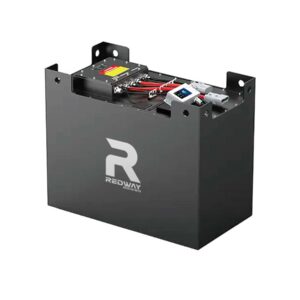
48V 420Ah Lithium LFP Forklift Battery
What charging protocols maximize lithium forklift battery life?
Partial charging between 20% and 80% reduces electrode stress. Use temperature-compensated chargers that adjust voltage based on ambient conditions. Pro Tip: Initiate charging within 2 hours post-discharge to prevent sulfation in low-temperature environments.
Lithium batteries thrive on partial state-of-charge (PSOC) cycles rather than full 0-100% cycles. For example, a 48V 300Ah LFP battery charged daily to 80% retains 90% capacity after 4,000 cycles versus 70% with full charges. Chargers should halt at 3.65V/cell (58.4V for 16S packs) to prevent overvoltage. Transitional phases matter—batteries discharged below 10% in -10°C environments require preheating before charging to avoid lithium plating. Did you know pairing mismatched chargers can cause BMS lockouts? Always verify charger compatibility through QR code validation systems.
How does temperature affect lithium forklift batteries?
High temperatures accelerate degradation, while sub-zero conditions limit charge acceptance. Maintain 15-35°C for optimal performance. Pro Tip: Use thermal blankets in cold storage facilities to preserve battery efficiency.
At 45°C, lithium iron phosphate (LFP) batteries lose 30% cycle life compared to 25°C operation. Conversely, -20°C environments reduce discharge capacity by 40%. Forklifts in foundries should implement forced-air cooling for battery compartments, while frozen warehouses need insulated battery trays. For instance, a 36V 700Ah battery operating in a -15°C freezer requires 90 minutes of gradual warm-up via built-in heaters before reaching full power output. Why risk premature failure? Active thermal management systems with NTC sensors can dynamically adjust charge rates and discharge cutoffs.
| Condition | Capacity Loss | Mitigation |
|---|---|---|
| 45°C Continuous | 2%/month | Shaded parking + ventilation |
| -10°C Charging | 50% slower | Preheating to 5°C minimum |
What cleaning methods prevent lithium battery corrosion?
Isopropyl alcohol wipes remove conductive dust without moisture risks. Avoid high-pressure water jets that could breach IP ratings. Pro Tip: Inspect terminal torque quarterly—15 N·m for M10 bolts prevents arcing.
Battery surfaces accumulate carbon dust and metal particles that create parasitic discharge paths. A 48V 450Ah battery cleaned monthly with non-conductive brushes shows 12% lower internal resistance than neglected units. For terminals, apply dielectric grease after cleaning to block oxidation. Ever seen a forklift shutdown from a coin-sized dust bridge? That’s why facilities handling combustible materials mandate ATEX-certified vacuum cleaning systems. Transitional environments like coastal areas demand stainless steel hardware to resist salt-induced corrosion.
Battery Expert Insight
FAQs
Can lithium forklift batteries sit unused for months?
Store at 50% charge in 15-25°C environments. Perform capacity checks every 90 days—self-discharge below 2%/month prevents deep discharge damage.
How often should battery connections be inspected?
Biweekly for high-usage (3-shift) operations. Loose terminals increase contact resistance, causing voltage drops exceeding 5% during peak loads.