How Can Lithium Forklift Batteries Reduce Overall Operational Costs?
Lithium forklift batteries reduce operational costs through energy efficiency, extended lifespan, and minimal maintenance. They achieve 40-60% lower energy consumption than lead-acid alternatives and operate for 4,000+ charge cycles while maintaining 80% capacity. With rapid charging capabilities (1-2 hours) and zero maintenance requirements, they eliminate downtime for watering or equalization. Over a 5-year period, lithium solutions can save $30,000+ per unit through reduced electricity bills and labor costs.
48V 420Ah Lithium Forklift Battery
How do lithium batteries cut energy expenses?
Lithium-ion chemistry enables 95% charge efficiency versus 70-80% in lead-acid. Smart thermal management prevents energy waste during fast charging. Operators save $1,200+/year per forklift through reduced kWh consumption.
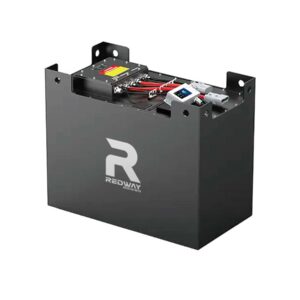
Beyond basic energy metrics, lithium batteries maintain stable voltage throughout discharge cycles. This prevents the “voltage sag” common in lead-acid systems, which forces equipment to work harder as batteries deplete. A 48V 420Ah lithium pack delivers full 20kW power until 10% SOC, whereas lead-acid loses 30% power capacity at 50% discharge. Pro Tip: Implement opportunity charging during breaks—partial top-ups extend daily runtime without cycle life penalties. For example, a distribution center reduced energy costs by 58% after switching 40 forklifts to lithium, saving $48,000 annually.
What lifespan advantages drive cost savings?
4,000-cycle lifespan triples lead-acid durability. Lithium batteries withstand deep discharges (80% DoD) without capacity loss, enabling smaller battery sizes for equivalent runtime.
Practically speaking, lead-acid batteries require replacement every 1-2 years in heavy-use scenarios, while lithium units last 7-10 years. This eliminates $8,000-$12,000 replacement costs per battery every 18 months. A real-world case shows an automotive plant achieving ROI in 2.3 years through eliminated battery replacements and reduced maintenance labor. Why tolerate frequent battery swaps when lithium offers decade-long service? The chemistry’s resistance to sulfation and corrosion ensures stable performance across temperature fluctuations from -20°C to 60°C.
| Cost Factor | Lead-Acid | Lithium |
|---|---|---|
| Cycle Life | 1,200 | 4,000+ |
| Energy Cost/Year | $2,100 | $900 |
How does maintenance reduction impact budgets?
Zero watering/equalization saves 50+ labor hours/year per forklift. Automated battery management systems (BMS) prevent overcharge/over-discharge without manual intervention.
Traditional battery rooms requiring acid spill containment and ventilation become obsolete. Lithium’s sealed design allows deployment in food processing/pharma facilities without contamination risks. One beverage company cut maintenance costs by $72,000 annually across 60 forklifts by eliminating weekly equalization charges and watering. Moreover, lithium’s 50% lighter weight versus equivalent lead-acid reduces structural reinforcement costs in multi-level warehouses. Ever dealt with corroded battery terminals causing unplanned downtime? Lithium’s nickel-plated connectors prevent this issue entirely.
Battery Expert Insight
FAQs
Do lithium forklift batteries require cooling systems?
Most models integrate passive cooling with BMS thermal monitoring. Active cooling only needed in extreme environments exceeding 45°C continuous operation.
Can lithium batteries replace lead-acid in existing forklifts?
Yes, through retrofit kits adjusting voltage profiles. Always verify controller compatibility—some older SCR-based systems may need voltage regulator upgrades.